What's Left After the Tree
Call now for a free on-site estimate.
The Tree's Gone. Now the Stump.
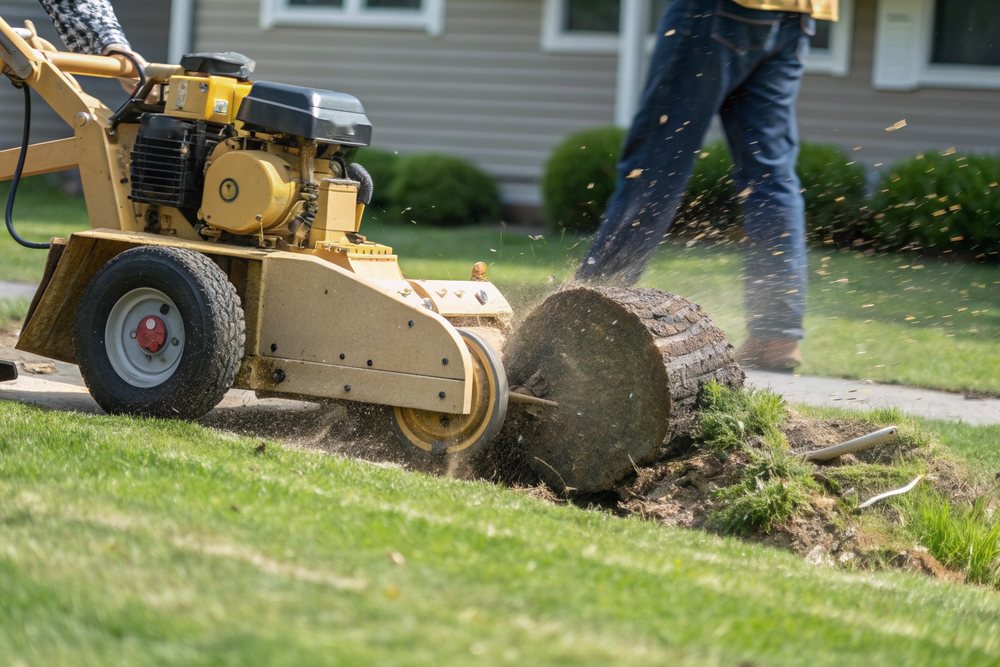
Every removal leaves a stump, and in Jacksonville, Texas the stump usually outlasts the homeowner's patience. It's in the mowing line, it sprouts sweetgum suckers every spring, and by the second summer it's home to carpenter ants or termites working their way toward the house. Cherokee County Tree Co. grinds stumps below grade so you can seed over the spot, set a fence post, or pour a slab without ever knowing a tree stood there. We grind stumps from our own removals and stumps other people left behind, one at a time or a whole yard's worth in a single visit.
Where We Work
Stump grinding is available anywhere we do tree removal. A single stump on the far edge of the circle is still worth a call; we'll tell you honestly whether it makes sense for us to come out. See all the areas we serve →
The simplest job. When we take a tree down for you, we can leave the stump cut low and come back with the grinder, or schedule it in the same visit. Adding it on to a removal is the cheapest way to get it done, because the crew and the equipment are already on your property.
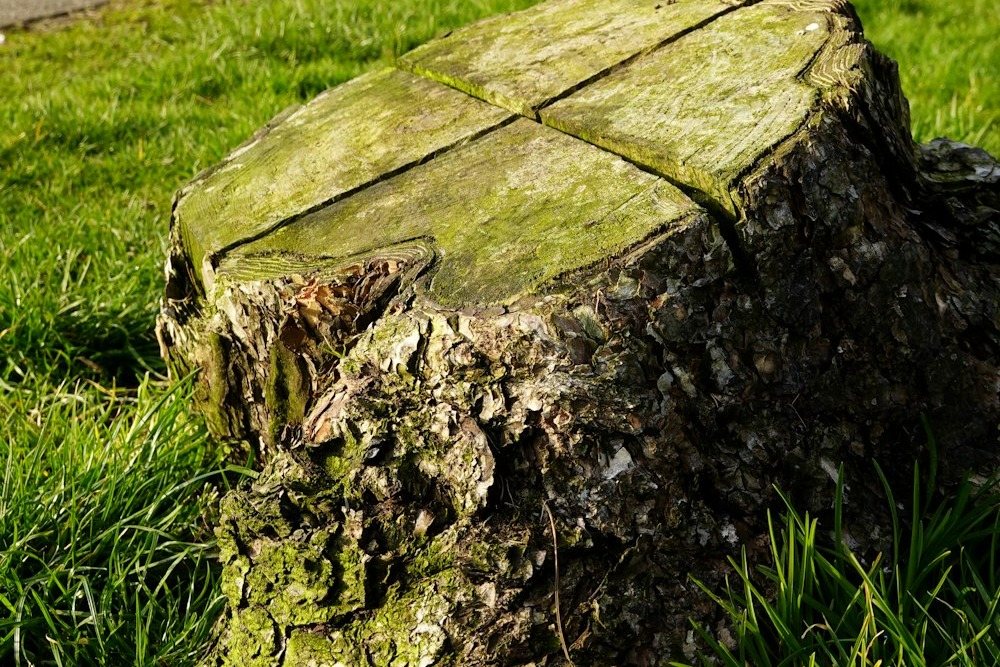
The pine stump from a tree cut ten years ago, the oak stump the last owner never dealt with, the row of stumps along a fence line where a storm took several trees at once. A weathered pine stump grinds fast; an old post oak or hickory stump is still dense and takes longer, and we price it accordingly.
This is the distinction that drives the estimate in the Piney Woods. A loblolly or shortleaf pine stump is soft, resinous, and has a taproot, so the grinder eats through it quickly and there's little to chase beyond the main root ball. A red oak, post oak, sweetgum, or hickory stump is harder wood with wide lateral roots that run under the lawn, sometimes surfacing 10 or 15 feet from the trunk. Sweetgum is the one that keeps sending up shoots from those roots after the stump is gone. We tell you which kind you have and what that means for the price before we start.
A standard grind takes the stump 4 to 6 inches below grade, which is enough to seed grass over it. If you're building a fence, a shed, or a driveway on the spot, or if you want a hardwood's surface roots gone from the mowing line, we grind deeper and chase the roots out. That's extra work and it's priced as a separate line so you can decide whether you need it.
Cost Planning
| Job | Typical cost range |
|---|---|
| Single stump (by diameter) | $100–$400 |
| Each additional stump | $50–$150 |
| Surface-root chasing / deep grind | $75–$200 extra |
Ranges are typical for East Texas based on published industry cost guides; your written estimate reflects your specific tree and site.
Diameter is the main driver, measured at ground level including the root flare, so a stump that looks like 18 inches from the top can measure 30 where the grinder works. Wood type, machine access, and anything buried nearby also move the number. Every job gets a free, written estimate before any work starts.
Jacksonville's sandy loam over clay is easy going for a grinder until it isn't. Hardwood roots follow the sand layer sideways, and the clay underneath holds water in a wet spring. We read the stump and the ground around it, mark utilities before the machine rolls, and don't guess about what's below the flare.
A stump grinder throws chips hard and fast. We run it with guards up and the area cleared, and we carry the coverage that protects your house, your windows, and your neighbor's truck if something goes sideways.
Diameter, wood type, and depth are settled at the estimate. The price on the sheet is the price you pay, and we tell you in advance if chasing roots would add a line.
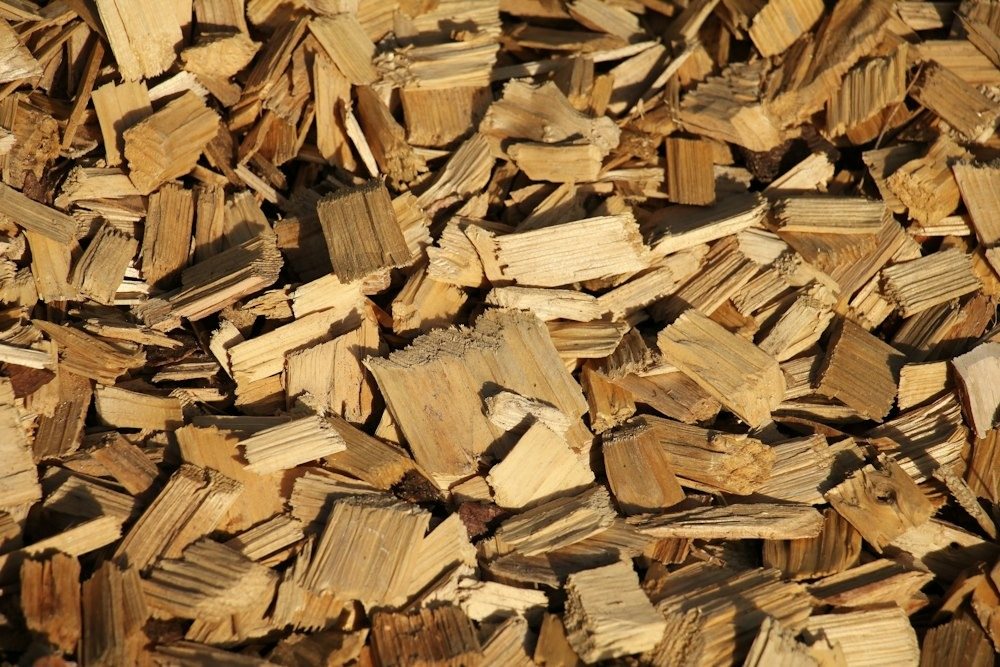
A ground stump leaves a pile of mulch mixed with soil. We rake it back into the hole and mound it slightly to settle, spread it as bed mulch if you want it, or haul it. If you'd rather set it out for the city, grindings and small root wood fit the brush pickup rules, and we'll leave it in a tidy pile at the curb.
How It Works
You can, but in this part of Texas it rarely stays a stump for long. Pine stumps rot soft and attract termites and carpenter ants; hardwood stumps, especially sweetgum, keep resprouting from the roots for years. Both are a mower hazard and a tripping hazard. A stump in the way is one of the six symptoms in our Tree Diagnosis tool if you want a quick read before you call.
Your choice. Most people have us backfill the hole and mound the grindings so the spot settles level over a season. If you'd rather they go away, we haul them. Or set them out for Jacksonville's brush pickup: the city takes trimmings and wood 8 inches or less in diameter, cut to 3 feet and bundled (§ 9-1), and a loose pile of grindings can go through the opt-in bulky/brush service or a paid special pickup, which the city lists at $35 for a tree-and-vegetation load, up to 10 cubic yards a week, stacked at the curb away from poles, meters, and lines (§ 9-39). Outside the city limits, we haul.
Usually, yes. Our grinder gets within a few inches of a fence post, walkway, or foundation, with chip guards up on the house side. The exceptions are stumps over a septic line, a buried gas service, or a water meter, which we locate first. If the grinder can't safely reach it, we'll say so at the estimate.
Have a stump in the way? Call or request a free estimate.
Enter your city or ZIP code to see if we serve your neighborhood.